
Summary
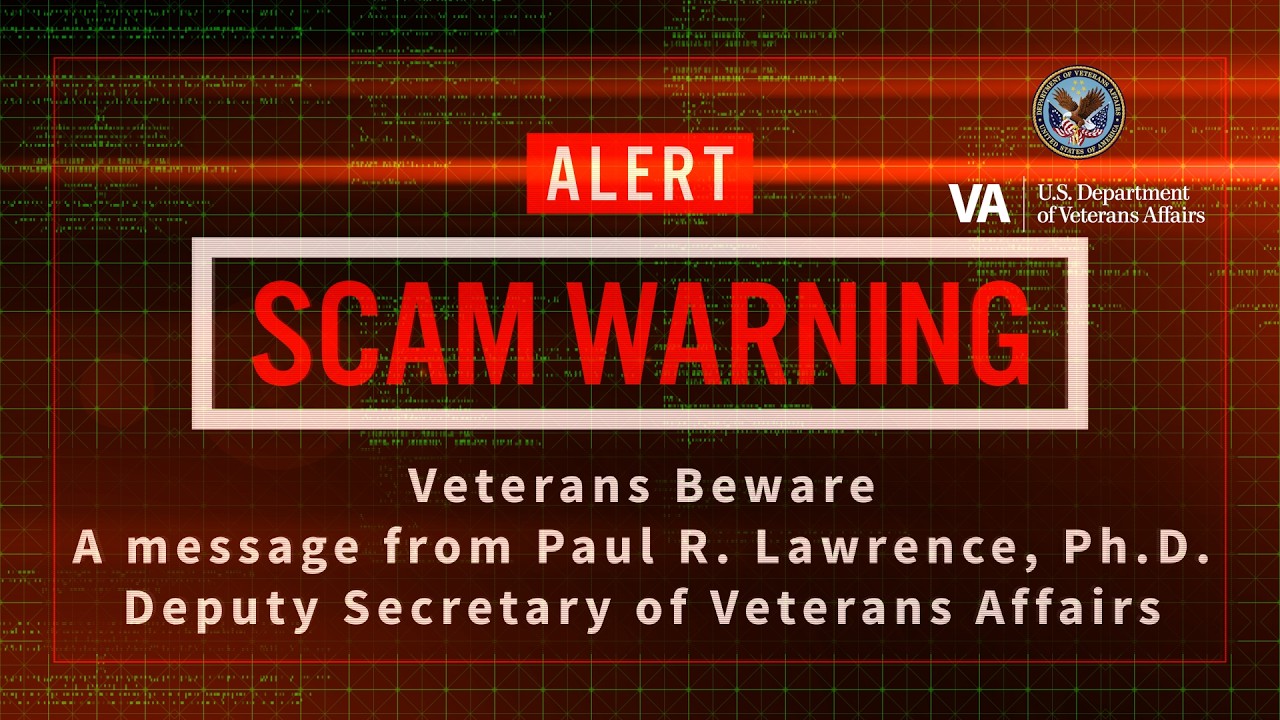
Military veterans, who form a significant portion of the [[trucking industry|trucking industry]] workforce, are increasingly becoming targets for sophisticated scams. Fraudsters leverage readily available personal information, often derived from military service records like the **DD-214**, to impersonate official entities such as the **Department of Veterans Affairs (VA)**. These scams, including fake benefit upgrade offers and direct deposit fraud, prey on veterans' trust and their unique data footprint. The financial toll is substantial, with military consumers reporting **$584 million** in fraud losses in 2024, a nearly **25% increase** from the previous year, according to the **FTC**. This trend highlights a critical vulnerability at the intersection of military service, data privacy, and a vital American industry.
Key Takeaways
- Scammers are actively targeting military veterans in the trucking industry by exploiting their personal data.
- The **DD-214** and other military service records are key sources for fraudsters, easily accessible via data brokers.
- Veterans reported significant financial losses in 2024, with a **25% increase** in fraud targeting military consumers.
- The trucking industry's structure, with drivers often on the road, exacerbates their vulnerability to these scams.
- Increased awareness, robust company training, and stronger data privacy regulations are crucial for protection.
Balanced Perspective
The article details a clear pattern of exploitation where scammers utilize publicly accessible military records, particularly the **DD-214**, to target veterans in the trucking sector. Data brokers play a crucial role in aggregating and reselling this information, making it accessible to fraudsters. The **Federal Trade Commission (FTC)** and **AARP** provide data illustrating significant financial losses and a high incidence of scam solicitations among veterans, with many believing their veteran status makes them a prime target. The VA has also issued warnings about these specific types of fraud.
Optimistic View
Increased awareness and targeted educational campaigns can empower veterans to recognize and resist these scams. By fostering stronger partnerships between veteran organizations, trucking companies, and government agencies like the **VA**, robust defense mechanisms can be developed. The growing understanding of how data brokers operate also presents an opportunity to advocate for stronger data privacy regulations that protect vulnerable populations like veterans, ultimately reducing the pool of exploitable information.
Critical View
The sheer volume of semi-public military data and the efficiency of data brokers create an almost insurmountable challenge for veterans. The fact that scammers can acquire detailed personal information for mere dollars means the barrier to entry for these crimes is incredibly low. This ongoing exploitation, particularly for veterans who may be on the road and less accessible to traditional support networks, suggests a future where these scams will continue to evolve and inflict significant financial and emotional damage, with regulatory solutions lagging far behind the evolving tactics of fraudsters.
Source
Originally reported by TheTrucker.com